The Šahovići Massacre: 600–1,000 (nov 9, 1924 – nov 10, 1924)
Description:
The Šahovići Massacre was carried out by a mob of 2,000 Orthodox Christian men from Kolašin and Bijelo Polje, supported by the Royal Yugoslav Army and local Montenegrin authorities against the Bosniak Muslim population of Šahovići village (modern-day Tomaševo) and neighboring villages in the Lower Kolašin region, Montenegro between November 9-10, 1924, with an estimated death toll between several hundred and 1,000 (with estimates ranging from hundreds to approximately 1,000 Bosniak civilians killed).Perpetrators engaged in mass killings in revenge for the murder of Boško Bošković (Governor of Kolašin county killed November 7, 1924), despite Bošković being killed by members of a rival clan (the Rovčani) not by Muslims, systematic targeting of Muslim civilians based on false accusations, burning of homes and property, forced confiscation of weapons from Šahovići and Pavino Polje villages two days before the massacre (leaving Muslims defenseless), arrest of 31 men from Šahovići on November 7, destruction of mosques, forced displacement of the entire Muslim population (over 1,500 Muslim households fled to Bosnia and Herzegovina), complete ethnic cleansing resulting in zero Muslim families remaining in the village (compared to 1,500 Muslim and 500 Orthodox families pre-massacre), and renaming of Šahovići to Tomaševo after WWII in honor of Communist commander Tomas Zizic—erasing the village's Muslim identity.
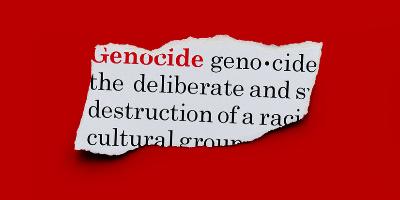
It has been labeled as genocide by former Bosnian Grand Mufti Mustafa Ceric (who urged Montenegro to admit the massacre "represented genocide against Muslims in Montenegro" during the 90th anniversary commemoration in 2014), scholars who characterize it as ethnic cleansing, and Bosniak political parties/organizations who have campaigned for genocide recognition. However, Montenegro has never formally recognized it as genocide.
The Montenegrin government has refused to condemn the massacre, return confiscated property to the Islamic community, or rebuild the destroyed mosque. The Serbian Orthodox Church has not distanced itself from the crime. No perpetrators were ever prosecuted despite the massacre being "the most horrible crime committed in the Kingdom of Yugoslavia in its peacetime period." Complete impunity prevailed.
King Alexander I received a memorandum from Šahovići survivors but took no action. The massacre remains largely forgotten internationally and suppressed in Montenegrin national history, with descendants only beginning commemoration efforts in recent decades demanding recognition 100 years after the atrocity.
Added to timeline:
Date:
nov 9, 1924
nov 10, 1924
~ 24 hours