The anti-Igbo Pogrom: 8,000 - 30,000 (may 1, 1966 – sep 1, 1966)
Description:
Based on my research, here is a condensed template for the Anti-Igbo Pogrom:The Anti-Igbo Pogrom (1966 massacres) was carried out by Nigerian Army soldiers (particularly Northern officers after the July counter-coup), Hausa-Fulani mobs, traditional rulers and Emirs who coordinated attacks from palaces, Native Authority police who actively participated, and student militias at universities including British nationals at Ahmadu Bello University who helped plan the killings against Igbo civilians and other Southern/Eastern Nigerians living in Northern Nigeria between May 29, 1966 (first major wave) and October 29, 1966 (final wave, with attacks peaking on the 29th of each month: May, July, September, October), with an estimated death toll between 8,000 (lowest estimates) and 50,000 (upper estimates including some sources claiming 30,000-30,000+), with 1-2 million Igbos forcibly displaced fleeing to Eastern Nigeria.
Perpetrators engaged in coordinated mob attacks beginning from Emirs' palaces spreading throughout cities (testimonies describe large groups gathering at palaces at 2-6am then bursting out with weapons), house-to-house searches hunting Igbos to kill, systematic killing of 240 Southern military officers (three-quarters Igbo) during July counter-coup including Supreme Commander Aguiyi-Ironsi, mass looting and burning of Igbo shops and homes, killing with machetes, daggers, axes and clubs, mutilation including disembowelment, killing of children (half the victims were children), genocidal rhetoric describing Igbos as "vermin and snakes to trod underfoot...dogs to be killed," soldiers apologizing to Western witnesses for "the stench" while explaining they were "doing the world a great favor by eliminating Igbos," organized attacks on trains and vehicles carrying fleeing Igbos, and British expatriates at Ahmadu Bello University articulating "deeply-laid plans for the execution of genocide" according to International Committee investigation.
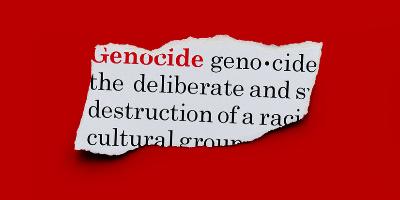
It has been labeled as genocide by the International Committee on the Investigation of Crimes of Genocide (which found evidence of genocide and intent to commit genocide), numerous genocide scholars including G.N. Uzoigwe and historians who characterize it as "ethnic cleansing," writer Chinua Achebe (who called it a "premeditated plan" with "careful coordination"), Igbo leader Chukwuemeka Odumegwu Ojukwu (who cited the genocide when declaring Biafran independence May 30, 1967), some historical analyses describing it as "holocaust," and academic consensus among scholars studying the Nigerian Civil War who recognize genocidal intent demonstrated by the systematic, coordinated nature and explicit eliminationist rhetoric.
However, formal international genocide recognition is nonexistent. No country has officially recognized it as genocide. The UN, OAU, Britain, Vatican, and U.S. remained "incredulously mute" despite knowledge of the massacres. The U.S. under Johnson/Nixon supported Nigeria during the subsequent civil war. No perpetrators were ever prosecuted—complete impunity prevailed with soldiers who boasted of eliminating Igbos never facing justice. The genocide directly caused Biafran secession (May 30, 1967) triggering the Nigerian Civil War (1967-1970) during which 1-3 million more Biafrans died primarily from starvation blockade. The international silence enabled the Biafran genocide that followed, demonstrating how unpunished pogroms escalate into full-scale genocidal wars.
Added to timeline:
Date:
may 1, 1966
sep 1, 1966
~ 4 months and 3 days