The Bugesera Invasion: 10,000–20,000 (dec 21, 1963 – dec 27, 1964)
Description:
The Bugesera Invasion and Massacres (also known as the 1963-1964 Tutsi Massacre) involved a cross-border attack by approximately 300 Tutsi exiles (Inyenzi guerrillas) from Burundi on December 21, 1963 attempting to overthrow the Hutu-dominated PARMEHUTU government, which was swiftly defeated within days, triggering massive government reprisals by the First Rwandan Republic under President Grégoire Kayibanda, the Rwandan army, Hutu militias, and local authorities against Tutsi civilians throughout Rwanda between December 1963 and February 1964, with an estimated death toll between 10,000-20,000 Tutsis killed in reprisals, plus additional 10,000-20,000 displaced (adding to 300,000 already in exile by late 1963).Perpetrators engaged in systematic killings of Tutsi civilians regardless of connection to the invasion, house-to-house searches hunting Tutsis, mass arrests of domestic UNAR and moderate Hutu opposition leaders accused of being a "fifth column," trials for treason with convictions reinforcing narratives of preemptive action against subversion, complete dismantling of remaining UNAR political structures within Rwanda, purges extending to moderate Hutu elements perceived as lenient toward Tutsi networks, village-level massacres, forced displacement creating additional refugee flows to Uganda, Burundi, and Zaire, and systematic elimination of Tutsi presence in certain regions solidifying PARMEHUTU's de facto monopoly by mid-1964.
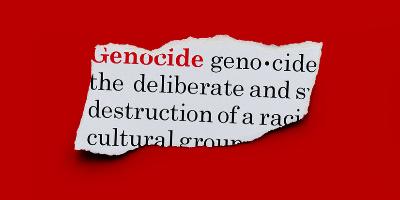
It has been labeled as genocide by historian Timothy J. Stapleton (who wrote "the massacres of Tutsi in 1963–1964 would seem to correspond to the international legal definition of genocide; they were intentional and aimed at the extermination of at least part of a group defined along racial lines"), characterized as a "genocidal event" by Catholic historian J.J. Carney, called an "ethnic massacre" by political scientist Scott Straus, and recognized as meeting genocide criteria by genocide scholars. However, journalist Linda Melvern wrote "the accusation of genocide against the Kayibanda regime was unproven" reasoning that killings occurred due to "extreme interpretation" by local officials of their mandate to organize self-defense groups.
No country has formally recognized it as genocide. Complete impunity—no perpetrators prosecuted. The massacres directly contributed to the 1994 Rwandan genocide as Hutu elite perceptions of Tutsi "revanchism" became embedded in national security doctrines, while the Tutsi diaspora's trauma and militarization culminated in the 1990 RPF invasion that triggered civil war and ultimately the 1994 genocide killing 800,000—demonstrating how unresolved cycles of ethnic violence spanning three decades created conditions for Africa's worst genocide.
Also add Bloody Christmass in Cyprus and Yugoslavia
Added to timeline:
Date:
dec 21, 1963
dec 27, 1964
~ 1 years