The Adana Massacre: 20,000-30,000 (apr 1, 1909 – apr 30, 1909)
Description:
The Adana Massacres were carried out by Ottoman Muslims (including Turks, Kurds, Circassians, and Arab tribesmen), local Ottoman officials, Islamic clerics, supporters of the Committee of Union and Progress (CUP), and Ottoman soldiers who either tolerated the violence or participated in it against the Armenian and Assyrian Christian populations between April 1, 1909 (initial riots) and late April 1909 (end of main violence, approximately two weeks), with an estimated death toll between 20,000 (lower estimates from various sources) and 30,000 (upper estimates, predominantly Armenians, plus approximately 1,300 Assyrians and 2,000 Muslims killed in mutual clashes).The perpetrators also engaged in systematic looting and property confiscation, arson (4,437 Armenian dwellings torched, nearly half the city razed), rape and sexual violence, torture, burning of churches, mass displacement creating thousands of refugees, forced abduction, summary executions, throwing bodies into rivers, and destruction of the Armenian quarter in multiple cities including Tarsus where the complete destruction of the Armenian quarter occurred.
It has been labeled as a massacre that falls within the continuum of genocidal violence against Armenians by genocide scholar Vahakn N. Dadrian (who framed it as part of "two similar but smaller rounds of massacres" culminating in the 1915 genocide), historian Bedross Der Matossian (who describes it as a "microcosm of the deterioration of ethnic conflict" and argues understanding it "will shed new light on the future acts of violence perpetrated against the indigenous Armenian population"), the Armenian National Institute (which characterizes it as exposing the twin composition of the Young Turk Movement and serving as "a rehearsal for gauging the depth of Turkish animosity").
Scholars who view it within the "continuity approach" as part of a sequence of premeditated phases of violence leading to the Armenian Genocide, and numerous genocide studies scholars including Jacques Semelin who examines it as an example of mass violence and massacre processes, though it is more commonly classified as a massacre or pogrom rather than genocide in the strict legal sense, with no countries having formally recognized it as genocide.
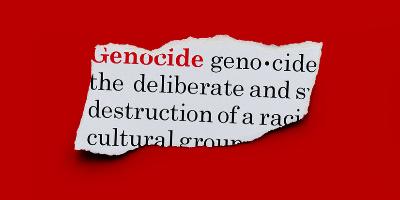
While the Adana Massacres are situated by scholars within the broader trajectory of anti-Armenian violence that culminated in the 1915 Armenian Genocide, they are typically classified as massacres or pogroms rather than genocide in the strict legal sense. The events lacked the centrally organised, Systematic character of the later genocide, though they revealed similar patterns of mob violence, government complicity, and targeting of Christian minorities that would be employed on a much larger scale in 1915-1923.
Added to timeline:
Date:
apr 1, 1909
apr 30, 1909
~ 29 days