The Indonesian Purges: 1-3 million (jan 1, 1965 – jan 1, 1966)
Description:
The Indonesian Purges (also known as the Indonesian Massacres, Indonesian Genocide, or Indonesian Anti-Communist Purge) were carried out by the Indonesian Armed Forces under General Suharto, the Army Para-Commandos (RPKAD) led by Sarwo Edhie, Islamic militia groups including Ansor (youth wing of Nahdlatul Ulama) and Banser, civilian vigilantes, and landowners against members and suspected sympathizers of the Indonesian Communist Party (PKI), ethnic Chinese, ethnic Javanese Abangan, Gerwani women, atheists, accused "unbelievers," trade unionists, and alleged leftists between October 1965 and March 1966 (most intense killing period, though persecution continued through 1968), with an estimated death toll between 500,000-1 million (most widely accepted scholarly consensus) and 2-3 million (upper estimates), making it one of the worst mass killings since WWII.Perpetrators engaged in mass executions using machetes, beheadings, drownings, beatings with sledgehammers (including teachers killed by students), dumping bodies in rivers and ditches, decapitation with heads displayed in town squares, imprisonment of over 1 million people without trial in detention camps where systematic torture occurred, sexual violence against Gerwani women and ethnic Chinese, house-to-house searches hunting suspected communists, village massacres, mass graves, forced confessions under torture, purging from political/social/military life, ID card marking of former political prisoners preventing employment and marking their children ineligible for civil service/military, exile, and complete elimination of PKI (third-largest communist party globally) as political force.
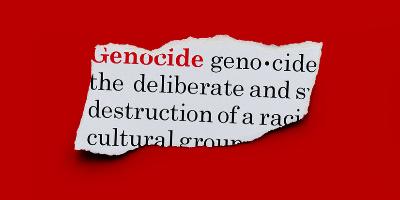
It has been labeled as genocide or politicide by the Holocaust Museum Houston (which categorizes it as genocide), the 2015 International People's Tribunal on 1965 Crimes Against Humanity (which ruled the killings fall within acts under the 1948 Genocide Convention), genocide scholar Robert Cribb (who argues the ethnic-political overlap makes genocide classification tenable), genocide scholar Jess Melvin (who argues it constitutes genocide because atheists/unbelievers qualify as religious group and PKI adherents practiced "Red Islam"), numerous scholars who characterize it as genocide despite political targeting, Time Magazine (which called Suharto's rise "The West's Best News for Years"), and philosopher Bertrand Russell (who condemned "inhuman slaughter" equivalent to Nazi/Communist atrocities).
However, classification remains contested. Many scholars prefer "politicide" because the UN Genocide Convention excludes political groups—though this exclusion itself reflects Cold War politics as the Soviet delegation insisted on removing political groups. No country has officially recognized it as genocide. Indonesia's National Commission for Human Rights confirmed military responsibility but no prosecutions occurred. Suharto ruled 1967-1998, died 2008 never facing trial. The U.S., UK, and Australia provided direct support—the U.S. Embassy supplied lists of 5,000 PKI names to Indonesian military for execution, CIA documents described it as "one of the worst mass murders of the 20th century," yet Western governments praised the outcome as communist containment success, demonstrating how Cold War anti-communism enabled genocide with complete impunity and Western complicity.
Added to timeline:
Date:
jan 1, 1965
jan 1, 1966
~ 12 months