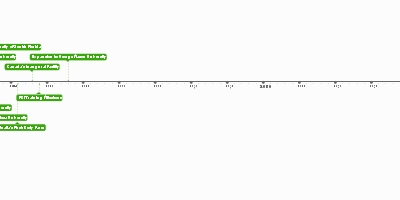
UK Taphonomy Facilities (jan 1, 2009 – jan 1, 2014)
Description:
In the United Kingdom, forensic taphonomy research has traditionally relied on animal proxies, particularly pigs, in the absence of facilites using human remains. Pigs are often chosen due to their anatomical and physiological similarities to humans, providing insights into decomposition processes.This approach became more structured with the establishment of the Taphonomic Research in Anthropology: Centre for Experimental Studies (TRACES) at the University of Central Lancashire in 2009, was the UK's first facility dedicated to the experimental study of forensic taphonomy using animal models. Similarly, Wrexham Glyndŵr University began operating a decomposition research facility in 2014, focusing on studies involving pig carcasses to simulate human decomposition. Despite these efforts, pig proxies have limitations as they do not account for human-specific factors such as illnesses, injuries, or unique decomposition characteristics.
The reliance on animal models has sparked debates about the necessity of human body farms in the UK. While experts like Professor Sue Black argue that human body farms are unnecessary and that animal proxies are sufficient for many forensic purposes, other point out the gaps in research applicability. The UK can benefit from findings at body farms in other parts of the world, but differing climates, flora, and fauna affect decomposition, making direct application of such research challenging. Establishing a human decomposition facility tailored to the UK's unique environmental conditions could enhance the accuracy of forensic science in the region, though ethical and legal constraints remain significant hurdles.
Added to timeline:
Date:
jan 1, 2009
jan 1, 2014
~ 5 years