19 h, apr 6, 33 y - The Last Supper
Description:
The Last Supper, the final meal Jesus shared with His disciples before His crucifixion, is described in detail in the Gospels.Scriptural Description:
Preparation:
Scriptural Reference: Matthew 26:17-19; Mark 14:12-16; Luke 22:7-13
Description: Jesus instructs His disciples to prepare a place for the Passover meal. They follow His directions and find an upper room in Jerusalem where they make preparations for the meal.
The Meal:
Scriptural Reference: Matthew 26:20-29; Mark 14:17-25; Luke 22:14-23; John 13:1-30
Description: During the meal, Jesus breaks bread and distributes it to the disciples, saying, "This is my body, which is given for you; do this in remembrance of me" (Luke 22:19). He also takes a cup of wine, gives thanks, and shares it, saying, "This cup that is poured out for you is the new covenant in my blood" (Luke 22:20).
John’s Account: John’s Gospel provides additional details, such as Jesus washing the disciples’ feet (John 13:1-17) and giving a new commandment to love one another (John 13:34-35). This act of servitude emphasizes humility and service.
Prediction of Betrayal:
Scriptural Reference: Matthew 26:21-25; Mark 14:18-21; Luke 22:21-23
Description: Jesus announces that one of the disciples will betray Him. This prediction creates confusion and distress among the disciples, who each ask, "Lord, is it I?"
Spiritual importance:
Institution of the Eucharist (Holy Communion):
Significance: The Last Supper is foundational for the Christian practice of the Eucharist or Holy Communion. Jesus’ words about the bread and wine symbolize His body and blood, and this sacrament is a central act of Christian worship. Christians partake in Communion to remember Jesus’ sacrifice, affirm their faith, and participate in the life of the Church.
Scriptural Reference: 1 Corinthians 11:23-26 (Paul's account of the institution of the Lord's Supper).
New Covenant:
Significance: Jesus' declaration of the wine as representing His blood signifies the establishment of a new covenant between God and humanity. This new covenant is based on Jesus' sacrificial death and promises forgiveness and reconciliation with God.
Scriptural Reference: Luke 22:20; Hebrews 9:15 (describing the new covenant through Christ’s blood).
Model of Servanthood:
Significance: Jesus’ act of washing the disciples’ feet serves as a profound example of humility and service. He teaches that true leadership involves serving others, which is a key principle in Christian ethics.
Scriptural Reference: John 13:12-17.
Unity and Community:
Significance: The Last Supper also represents the unity of believers as they come together in the shared experience of Communion. It symbolizes the fellowship of Christians as members of the body of Christ.
Scriptural Reference: Acts 2:42-46 (the early church’s practice of breaking bread together).
Added to timeline:
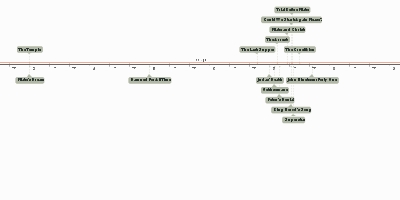
Date:
19 h, apr 6, 33 y
Now
~ 1994 years ago