jul 17, 1956 - Gold Coast general election
Description:
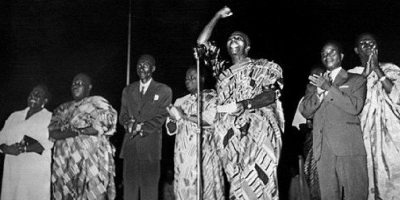
Skinner: Recognising the importance of the question posed by the plebiscite commissioner about what in practice ‘union’ would mean, the British administration suggested that the plebiscite be interpreted in the light of the results of the July 1956 general election. Arguably, these results confirmed the popularity of the CPP and its proposals for a unitary constitution.Wiki: Elections for the Legislative Assembly were held in the Gold Coast (soon to become Ghana) on 17 July 1956. They were won by Kwame Nkrumah's Convention People's Party, which took 71 of the 104 seats.
Background: A new constitution, approved on 29 April 1954, established a cabinet composed of African ministers drawn from an all-African legislature chosen by direct election. In the elections that followed, the Convention People's Party won the majority of seats in the new Legislative Assembly. In May 1956, Prime Minister Nkrumah's government issued a white paper containing proposals for Gold Coast independence. The British Government stated it would agree to a firm date for independence if a reasonable majority for such a step were obtained in the Gold Coast Legislative Assembly after a general election.
Aftermath: After pro-independence parties won a convincing majority, the British government agreed to grant the colony independence. This happened on 6 March 1957, with the country renamed Ghana. Initially a constitutional monarchy with Elizabeth II as head of State, the country's democratic credentials were hampered by the Preventive Detention Act (1958). In 1960 a referendum resulted in the country becoming a republic with a presidential form of government, and in 1964 it became a one-party state. Nkrumah was eventually overthrown in 1966.
Added to timeline:
Date:
jul 17, 1956
Now
~ 70 years ago